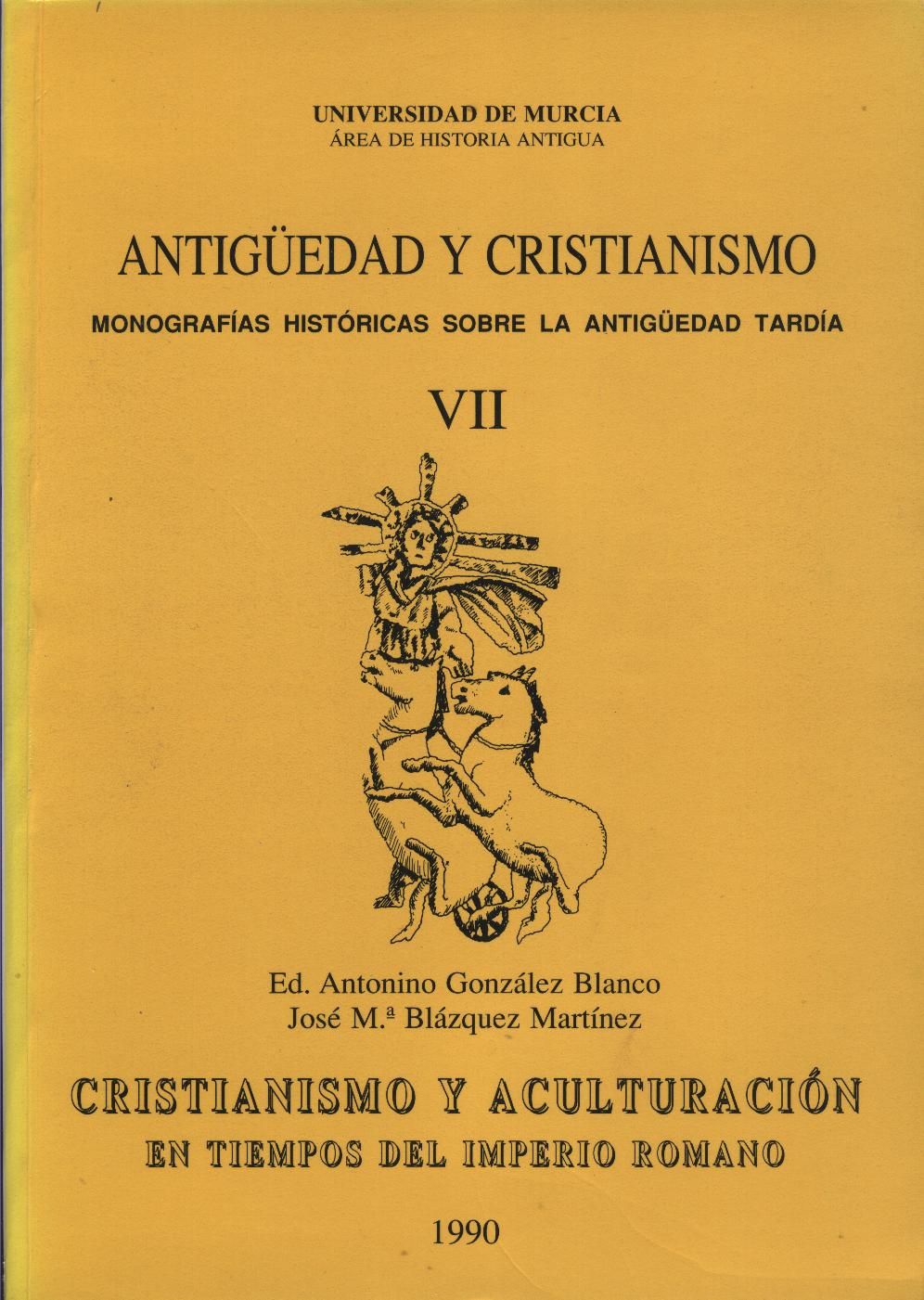
Los sueños de Constantino en autores paganos y cristianos
Resumo
The purpose of this comparative study of the narrations of the dreams and celestial visions of Constantine as recorded in the Panegyric VII and X and in the writings of Lactantius and Eusebius of Caesarea is the search for the similarities and differences that these present. In Panegyric VII the site where Constantine had his vision is situated in Gallia, probably in the far north, in a temple dedicated to Apollo whose characteristics the author tries to identify in this study. The panegyric X, delivered in the year 321, mentions that, when his army was ready to depart from the Gallia and return to Italy, celestial armies appeared before the Emperor. Around 313, Lactantius mentions the vision by Constantine of a labarum, whose form the author tries to identify, presenting the arguments defended by the historians: this vision is located near the Milvius bridge. Eusebius of Caesarea, in the Vita Constantini, chapters 28 and 29, narrates two apparently différents visions, one of which is similar to the one described by Lactantius. It's generally said that there are no great differences between the Christian and pagan authors but they do differ at the moment they set forth their ideas. The similarities that appear can be explained on the ground of the rhetorical and aulical methods.
Downloads
-
Resumo388
-
PDF (Español (España))590
1. Los autores ceden de forma no exclusiva a la revista los derechos de explotación (reproducción, distribución, comunicación y transformación).
2. Las obras que se publican en esta revista están sujetas a la licencia Attribution-ShareAlike 4.0 International (CC By SA 4.0). Por lo que se pueden copiar, usar, difundir, transmitir y exponer públicamente, siempre que:
i) se cite la autoría y la fuente original de su publicación (revista, editorial y URL de la obra), permitiendo así su reconocimiento.
ii) se permite remezclar, transfromar o crear a partir del material mientras se mantenga la misma licencia del original.
Nota: Los artículos anteriores a 2022 muestran incorrectamente la licencia CC by SA en la página de resumen. Están bajo una licencia CC by NC ND tal y como se incluye en los pdfs de los artículos. Los artículos publicados en 2022 y después están bajo la licencia CC by SA.

3. Condiciones de auto-archivo. Se permite y se anima a los autores a difundir electrónicamente las versiones pre-print (versión antes de ser evaluada) y/o post-print (versión evaluada y aceptada para su publicación) de sus obras antes de su publicación, ya que favorece su circulación y difusión más temprana y con ello un posible aumento en su citación y alcance entre la comunidad académica. Color RoMEO: verde.