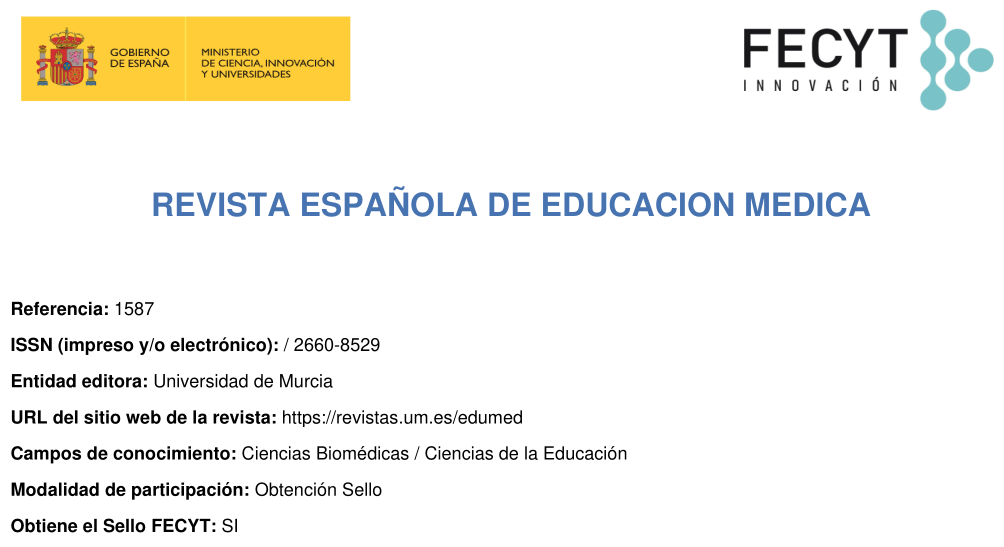
Knowledge and adherence to osteoarthritis clinical practice guidelines among physiotherapists in Saudi Arabia: a cross-sectional study
Abstract
Background: Clinical practice guidelines (CPGs) are essential for the effective management of osteoarthritis (OA), yet their implementation among physiotherapists remains inconsistent. This study aimed to assess the knowledge and adherence of physiotherapists in Saudi Arabia to OA CPGs. Methods: A cross-sectional study was conducted using a self-administered online questionnaire targeting licensed physiotherapists in Saudi Arabia. The survey included demographic data, knowledge assessment through CPG-based statements, and a clinical vignette to evaluate adherence. Participants were categorized as Delivering, Partially Delivering, or Non-Delivering based on their alignment with CPG-recommended interventions. Results: Of 384 participants, 69% demonstrated high adherence (Delivering), while 26.3% were Non-Delivering and 4.7% Partially Delivering. Higher adherence was associated with postgraduate education, longer clinical experience, greater exposure to OA cases, and working in university or private centers. Despite 93.5% having read at least one CPG, adherence varied significantly across groups. Conclusion: While awareness of OA CPGs is high among physiotherapists, gaps in practical application persist. Targeted education, workplace support, and policy initiatives are needed to enhance adherence and improve OA care. Further research should explore barriers to guideline implementation and test tailored interventions.
Downloads
-
Abstract339
-
pdf277
References
Saeed F, Ahmad E, Tariq H, et al. The pressing need to raise awareness about osteoarthritis care among elderly females in Pakistan: a cross-sectional study. Cureus. 2019, 11(8), e5431. DOI: 10.7759/cureus.5302
Chen DI, Shen J, Zhao W, et al. Osteoarthritis: toward a comprehensive understanding of pathological mechanism. Bone Res. 2017, 5, 16044. https://doi.org/10.1038/boneres.2016.44
Abdel-Aal NM, Mosaad DM, Alsharif MS, et al. Mechanical traction from different knee joint angles in patients with knee osteoarthritis: a randomized controlled trial. Clin Rehabil. 2022, 36(8), 1083–1096. DOI: 10.1177/02692155221091508
Neogi T. The epidemiology and impact of pain in osteoarthritis. Osteoarthritis Cartilage. 2013, 21(9), 1145–1153. https://doi.org/10.1016/j.joca.2013.03.018
Akodu AK, Tella BA, Akinbo SRA. Management of knee osteoarthritis: knowledge and adherence to clinical practice guidelines among physiotherapists in selected hospitals in Lagos State, Nigeria. Afr J Biomed Res. 2020, 23(3), 327–333.
Hussein HM, Ahmed AR, Elhady AA, et al. Influences of mechanical decompression using different forces on knee joint space, range of motion, and hamstring flexibility in asymptomatic subjects. Rev Pesqui Fisioter. 2024, 14, e5768. DOI: 10.17267/2238-2704rpf.2024.e5768
Long H, Liu Q, Yin H, et al. Prevalence trends of site-specific osteoarthritis from 1990 to 2019: findings from the Global Burden of Disease Study 2019. Arthritis Rheumatol. 2022, 74(7), 1172–1183. DOI: 10.1002/art.42089
Alenazi AM, Alshehri MM, Alqahtani BA, et al. Prevalence and incidence of osteoarthritis among people living in the Gulf Cooperation Council countries: a systematic review and meta-analysis. Clin Rheumatol. 2021, 40, 3523–3531. DOI: 10.1007/s10067-021-05662-2
Al-Arfaj AS, Alballa SR, Al-Saleh SS, et al. Knee osteoarthritis in Al-Qaseem, Saudi Arabia. Saudi Med J. 2003, 24(3), 291–293.
Rahman N, Gruber D. The burden of musculoskeletal conditions in Australia: a detailed analysis of the Australian burden of disease study 2011. Aust Inst Health Welfare. 2017. https://www.aihw.gov.au/reports/burden-of-disease/burden-of-musculoskeletal-conditions-in-austra/summary
Fernandes L, Hagen KB, Bijlsma JWJ, et al. EULAR recommendations for the non-pharmacological core management of hip and knee osteoarthritis. Ann Rheum Dis. 2013, 72(7), 1125–1135. https://doi.org/10.1136/annrheumdis-2012-202745
Bannuru RR, Osani MC, Vaysbrot EE, et al. OARSI guidelines for the non-surgical management of knee, hip, and polyarticular osteoarthritis. Osteoarthritis Cartilage. 2019, 27(11), 1578–1589. https://doi.org/10.1016/j.joca.2019.06.011
Swärdh E, Brodin N, Lampa E, et al. Understanding exercise promotion in rheumatic diseases: a qualitative study among physical therapists. Physiother Theory Pract. 2021, 37(9), 963–972. DOI: 10.1080/09593985.2019.1672226
Juhl C, Christensen R, Roos EM, et al. Impact of exercise type and dose on pain and disability in knee osteoarthritis: a systematic review and meta‐regression analysis of randomized controlled trials. Arthritis Rheumatol. 2014, 66(3), 622–636. https://doi.org/10.1002/art.38290
Thorstensson CA, Garellick G, Rystedt H, et al. Better management of patients with osteoarthritis: development and nationwide implementation of an evidence‐based supported osteoarthritis self‐management programme. Musculoskeletal Care. 2015, 13(2), 67–75. https://doi.org/10.1002/msc.1085
Dougados M, Betteridge N, Burmester GR, et al. EULAR standardised operating procedures for the elaboration, evaluation, dissemination, and implementation of recommendations endorsed by the EULAR standing committees. Ann Rheum Dis. 2004, 63(9): 1172–1176. DOI: 10.1136/ard.2004.023697
Guyatt GH, Oxman AD, Vist GE, et al. GRADE: an emerging consensus on rating quality of evidence and strength of recommendations. BMJ. 2008, 336 (7650), 924–926. https://doi.org/10.1136/bmj.39489.470347.
Egerton T, Diamond L, Buchbinder R, et al. A systematic review and evidence synthesis of qualitative studies to identify primary care clinicians' barriers and enablers to the management of osteoarthritis. Osteoarthritis Cartilage. 2017, 25(5), 625–638. https://doi.org/10.1016/j.joca.2016.12.002
Zadro J, O’Keeffe M, Maher C. Do physical therapists follow evidence-based guidelines when managing musculoskeletal conditions? Systematic review. BMJ Open. 2019, 9(10), e032329. https://doi.org/10.1136/bmjopen-2019-032329
Basedow M, Esterman A. Assessing appropriateness of osteoarthritis care using quality indicators: a systematic review. J Eval Clin Pract. 2015, 21(5), 782–789. DOI: 10.1111/jep.12402
Theis KA, Brady TJ, Sacks JJ. Where have all the patients gone? Profile of US adults who report doctor-diagnosed arthritis but are not being treated. J Clin Rheumatol. 2019, 25(8), 341–347. DOI: 10.1097/RHU.0000000000000896
Tittlemier BJ, Woodhouse LJ, Amin S, et al. Knee osteoarthritis: an investigation into the clinical practice of physiotherapists in Canada. Physiother Can. 2021, 73(1), 37–46. doi: 10.3138/ptc-2019-0068
Swaithes L, Dziedzic KS, Main C, et al. Factors influencing the implementation of evidence‐based guidelines for osteoarthritis in primary care: a systematic review and thematic synthesis. Musculoskeletal Care. 2020, 18(2), 101–110. DOI: 10.1002/msc.1452
Dziedzic KS, Healey EL, Porcheret M, et al. Implementation of musculoskeletal models of care in primary care settings: theory, practice, evaluation and outcomes for musculoskeletal health in high-income economies. Best Pract Res Clin Rheumatol. 2016, 30(3), 375–397. DOI: 10.1016/j.berh.2016.08.004
Shekelle P, Woolf S, Grimshaw J, et al. Developing clinical practice guidelines: reviewing, reporting, and publishing guidelines; updating guidelines; and the emerging issues of enhancing guideline implementability and accounting for comorbid conditions in guideline development. Implement Sci. 2012, 7, 62. https://doi.org/10.1186/1748-5908-7-62
Pablos‐Mendez A, Shademani R. Knowledge translation in global health. J Contin Educ Health Prof. 2006, 26(1), 81–86. DOI: 10.1002/chp.54
Von Elm E, Altman DG, Egger M, et al. The Strengthening the Reporting of Observational Studies in Epidemiology (STROBE) statement: guidelines for reporting observational studies. Ann Intern Med. 2007, 147, 573–577. https://doi.org/10.7326/0003-4819-147-8-200710160-00010
Battista S, Pugnetti L, Andretta M, et al. Italian physiotherapists’ knowledge of and adherence to osteoarthritis clinical practice guidelines: a cross-sectional study. BMC Musculoskelet Disord. 2021, 22, 380. DOI: 10.1186/s12891-021-04250-4
Fernandes L, Hagen KB, Bijlsma JWJ, et al. EULAR recommendations for the non-pharmacological core management of hip and knee osteoarthritis. Ann Rheum Dis. 2013, 72(7), 1125–1135. https://doi.org/10.1136/annrheumdis-2012-202745
Bannuru RR, Osani MC, Vaysbrot EE, et al. OARSI guidelines for the non-surgical management of knee, hip, and polyarticular osteoarthritis. Osteoarthritis Cartilage. 2019, 27(11), 1578–1589. https://doi.org/10.1016/j.joca.2019.06.011
National Clinical Guideline Centre. Osteoarthritis: Care and Management in Adults. NICE Clinical Guidelines, No. 177, London: National Institute for Health and Care Excellence (UK); 2014. https://www.ncbi.nlm.nih.gov/books/NBK568417/
Joshi A, Kale S, Chandel S, et al. Likert scale: Explored and explained. Br J Appl Sci Technol. 2015, 7(4), 396–403. DOI: 10.9734/BJAST/2015/14975
Suárez Álvarez J, Campillo Álvarez A, Lozano LM. Using reversed items in Likert scales: A questionable practice. Psicothema. 2018, 30(2), 149–158. https://doi.org/10.7334/psicothema2018.33
Rossettini G, Palese A, Geri T, et al. Physical therapists’ perspectives on using contextual factors in clinical practice: Findings from an Italian national survey. PLoS One. 2018, 13(11), e0208159. https://doi.org/10.1371/journal.pone.0208159
Bennell KL, Hunter DJ, Hinman RS. Management of osteoarthritis of the knee. BMJ. 2012, 345, e4934. https://doi.org/10.1136/bmj.e4934
Nelson AE, Allen KD, Golightly YM, et al. A systematic review of recommendations and guidelines for the management of osteoarthritis: The chronic osteoarthritis management initiative of the U.S. Bone and Joint Initiative. Semin Arthritis Rheum. 2014, 43(6), 701–712. https://doi.org/10.1016/j.semarthrit.2013.11.012
Grimshaw JM, Thomas RE, MacLennan G, et al. Effectiveness and efficiency of guideline dissemination and implementation strategies. Health Technol Assess. 2004, 8(6), 1–72. https://doi.org/10.3310/hta8060
Slade SC, Kent P, Patel S, et al. Barriers to primary care clinician adherence to clinical guidelines for the management of low back pain: A systematic review and meta synthesis of qualitative studies. Clin J Pain. 2016, 32(9), 800–816. DOI: 10.1097/AJP.0000000000000324
Schreiber J, Stern P. A review of the literature on evidence-based practice in physical therapy. Internet J Allied Health Sci Pract. 2005, 3(4), 1–10. Doi: 10.46743/1540-580X/2005.1089
McEvoy MP, Williams MT, Olds TS. Evidence based practice profiles: Differences among allied health professions. BMC Med Educ. 2010, 10, 69. https://doi.org/10.1186/1472-6920-10-69
Salbach NM, Jaglal SB, Korner-Bitensky N, et al. Practitioner and organizational barriers to evidence-based practice of physical therapists for people with stroke. Phys Ther. 2007, 87(10), 1284–1303. DOI: 10.2522/ptj.20070040
Iles R, Davidson M. Evidence based practice: a survey of physiotherapists' current practice. Physiother Res Int. 2006, 11(2), 93–102. https://doi.org/10.1002/pri.328
Pisters MF, Veenhof C, van Meeteren NL, et al. Long-term effectiveness of exercise therapy in patients with osteoarthritis of the hip or knee: a systematic review. Arthritis Rheum. 2007, 57(7), 1245–1253. DOI: 10.1002/art.23009
Alrowayeh HN, Alshatti TA, Aljadi SH, et al. Prevalence and risk factors of work-related lower back pain among radiographers in the State of Kuwait. Radiol Res Pract. 2021, 2021, 5365260. https://doi.org/10.1155/2021/5365260
Rycroft-Malone J. The PARIHS framework—a framework for guiding the implementation of evidence-based practice. J Nurs Care Qual. 2004, 19(4), 297–304. https://doi.org/10.1097/00001786-200410000-00002
Weng YH, Kuo KN, Yang CY, et al. Implementation of evidence-based practice in relation to a clinical nursing ladder system: A national survey in Taiwan. Worldviews Evid Based Nurs. 2015, 12(1), 22–30. doi: 10.1111/wvn.12076
Almutairi AF, McCarthy A, Gardner GE. Understanding cultural competence in a multicultural nursing workforce: Registered nurses' experience in Saudi Arabia. J Transcult Nurs. 2015, 26(1), 16–23. https://doi.org/10.1177/1043659614523992
Maawadh RM, Khan SA, Alwadei AH, et al. Factors affecting the satisfaction of women employees in health sector: A perception study in Saudi Arabia. J Healthc Leadersh. 2024, 16, 131–139. DOI: 10.2147/JHL.S453102
Michie S, Johnston M, Abraham C, et al. Making psychological theory useful for implementing evidence based practice: a consensus approach. Qual Saf Health Care. 2005, 14(1), 26–33. https://doi.org/10.1136/qshc.2004.011155
Grol R, Grimshaw J. From best evidence to best practice: effective implementation of change in patients' care. Lancet. 2003, 362(9391), 1225–1230. https://doi.org/10.1016/S0140-6736(03)14546-1
Peabody JW, Luck J, Glassman P, et al. Comparison of vignettes, standardized patients, and chart abstraction: a prospective validation study of 3 methods for measuring quality. JAMA. 2000, 283(13), 1715–1722. https://doi.org/10.1001/jama.283.13.1715
Copyright (c) 2025 Servicio de Publicaciones de la Universidad de Murcia

This work is licensed under a Creative Commons Attribution-NonCommercial-NoDerivatives 4.0 International License.
The works published in this magazine are subject to the following terms:
1. The Publications Service of the University of Murcia (the publisher) preserves the economic rights (copyright) of the published works and favors and allows them to be reused under the use license indicated in point 2.
2. The works are published under a Creative Commons Attribution-NonCommercial-NoDerivative 4.0 license.
3. Self-archiving conditions. Authors are allowed and encouraged to disseminate electronically the pre-print versions (version before being evaluated and sent to the journal) and / or post-print (version evaluated and accepted for publication) of their works before publication , since it favors its circulation and earlier diffusion and with it a possible increase in its citation and reach among the academic community.