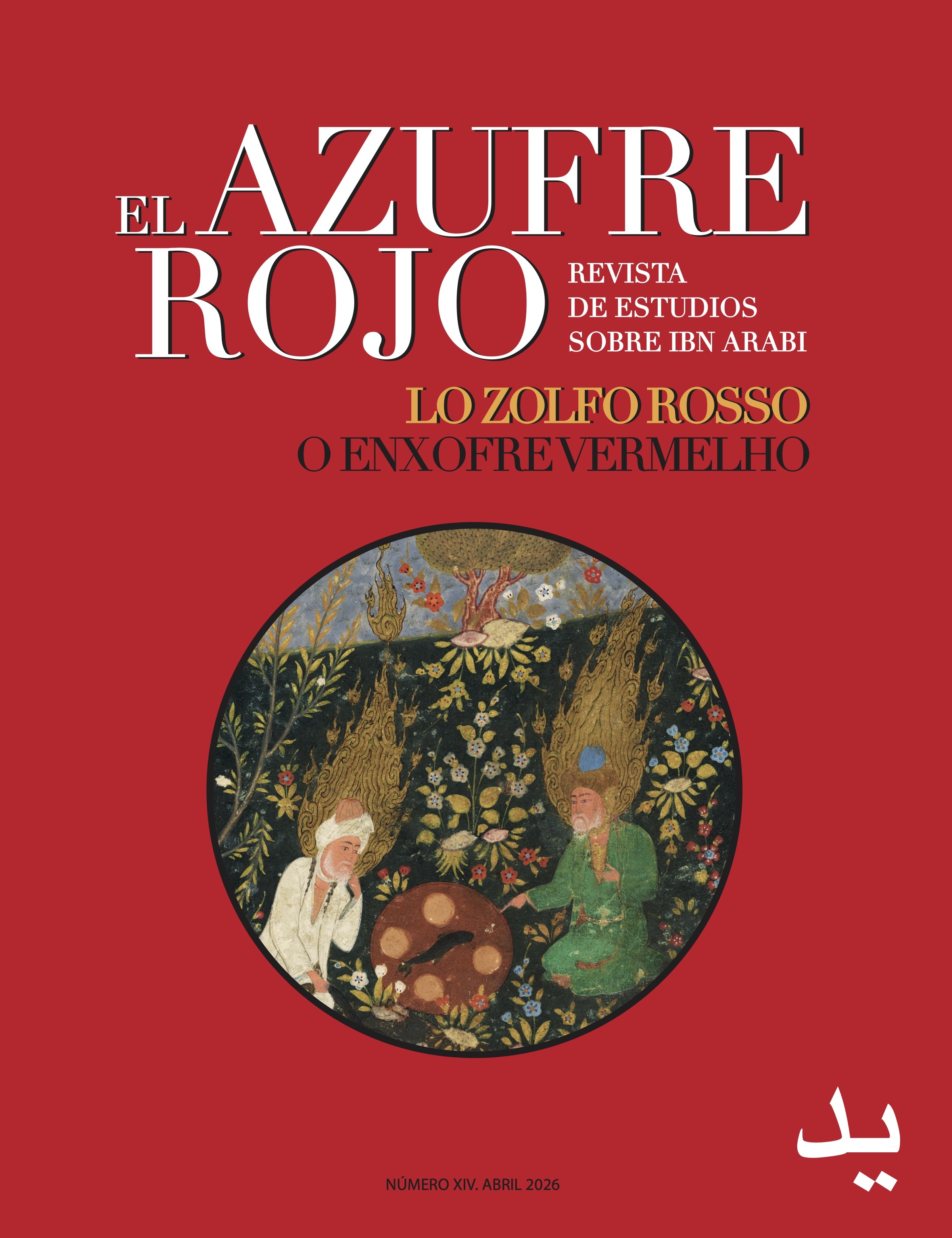
EL LENGUAJE DE LO OCULTO: UNA LECTURA FENOMENO- LÓGICA DE LOS CUENTOS «EL ZAHIR» Y «LA ESCRITURA DE DIOS» DE BORGES A LA LUZ DE LA TRADICIÓN MÍSTICA DEL ISLAM
Resumen
Resumen: Este artículo propone una lectura conjunta de los cuentos El Zahir y La escritura de Dios de Jorge Luis Borges, a partir de categorías simbólicas del sufismo como ẓāhir (lo manifiesto), bāṭin (lo oculto), išāra (alusión simbólica), taǧallī (manifestación divina)
y kašf (desvelamiento espiritual). A través de un análisis simbólico de ambos relatos, se sostiene que el primero describe una progresiva obsesión con lo visible, mientras que el segundo presenta la culminación de ese proceso en una visión reveladora. Esta estructura mística se pone en diálogo con la noción de hierofanía, desarrollada por Mircea Eliade, a fin de iluminar la dimensión fenomenológica de lo sagrado en la narrativa borgeana. Se propone así la construcción de un itinerario, donde la palabra y la imagen actúan como mediaciones hacia lo real. El análisis se apoya en fuentes clásicas del islam, como Ibn ʿArabī, al-Qušayrī y Farīd al-Dīn ʿAṭṭār, y en lecturas contemporáneas de la obra de Borges.
Abstract: This article proposes a joint reading of Jorge Luis Borges’ short stories The Zahir and The Writing of the God, based on symbolic categories from Sufism such as ẓāhir (the manifest), bāṭin (the hidden), išāra (symbolic allusion), taǧallī (divine manifestation), and kašf (spiritual unveiling). Through a symbolic analysis of both narratives, it is argued that the first describes a growing obsession with the visible, while the second presents the culmination of that process in a revelatory vision. This mystical structure is brought into dialogue with the notion of hierophany, developed by Mircea Eliade, in order to shed light on the phenomenological dimension of the sacred in Borges’ narrative. The article proposes the construction of a poetic-religious itinerary in which word and image function as mediations toward the Real. The analysis draws on classical Islamic sources such as Ibn ʿArabī, al-Qushayrī, and Farīd al-Dīn ʿAṭṭār, as well as contemporary readings of Borges’ literature.
Descargas
-
Resumen89
-
pdf27